
A shorter pipeline patrol cycle with Xining CR Gas
The field team reported that the former 14-day cycle reached about 80% of the work. With drones, the inspection took 8–10 days.
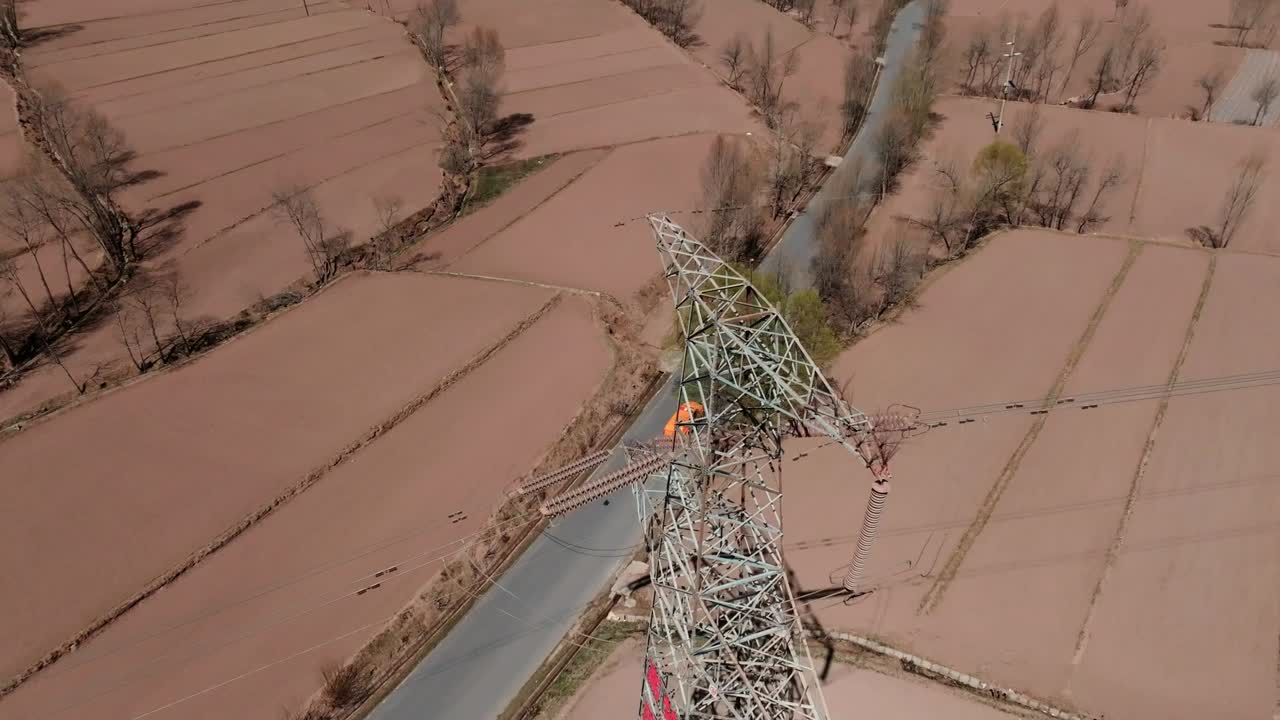
The challenge
Ground crews crossed valleys, fields and waterways to patrol the network. Weather made some routes particularly difficult.
What AIRINS deployed
The utility transferred part of its routine patrol to aerial MetScan surveys.
What happened
The field team reported that the former 14-day cycle reached about 80% of the work. With drones, the inspection took 8–10 days.
Why it mattered
Xining CR Gas moved part of the patrol from ground crews to aerial screening. The team reported better coverage and less fieldwork.
Pipeline inspection is demanding work. In many areas, frontline teams must cross valleys, hills, fields, and waterways just to complete routine patrols and leak detection. In rain or snow, the job becomes even harder and can put workers at greater risk. This is where UAV-based methane inspection can make a real difference. In a recent application with Xining CR Gas, MetScan helped shift part of the pipeline inspection workflow from labour-intensive ground patrols to faster and safer aerial screening. According to the frontline team, what used to reach only about 80% of a 14-day inspection cycle can now be completed in 8 to 10 days after introducing drone-based MetScan inspections. For us, this is not just about speed. It is about helping gas utilities improve inspection coverage, reduce the burden on field crews, and make pipeline safety work more practical in difficult terrain. We believe good technology should not only detect methane. It should also solve real operational problems for the people who carry out this work every day. #MethaneDetection #PipelineInspection #GasSafety #DroneInspection #RemoteSensing #GasUtilities #PublicSafety
Interested?
Discuss your application
Tell us about your application, operating conditions and the results you need.