Component uncertainty
The hotspot is known, but the exact valve, flange, vent or fitting still needs to be identified.
 Talk to AIRINS
Close-proximity methane intelligence
Led by MetScan Handheld, AIRINS brings remote methane sensing, optional sniffing, visual evidence and Source-Resolved Quantification (SRQ) into one practical follow-up workflow.
Connected by design: Start from a suspected location identified by pipeline or facility screening—or deploy directly when the equipment and inspection target are already known.
When to move closer
Broad screening tells the team where to focus. Close-proximity inspection resolves the remaining uncertainty around equipment, thresholds and the next field action.
The hotspot is known, but the exact valve, flange, vent or fitting still needs to be identified.
Overlapping equipment, reflective surfaces or obstructed lines of sight make broader measurements difficult to interpret.
A closer measurement record is needed to support the team’s applicable inspection or repair decision.
The source must be measured from a suitable geometry to estimate an emission rate and prioritise action.
One connected ecosystem
Bring forward the coordinates, imagery and methane evidence—or start directly from known equipment.
Select handheld, quadruped or tripod / pole deployment according to reach, safety and measurement geometry.
Use remote methane sensing and optional sniffing to narrow the signal around the target equipment.
Connect the signal to the most likely component and estimate the source rate where required and suitable.
Package the measurement record, visual evidence and outcome for repair, reporting and follow-up.
Flexible deployment
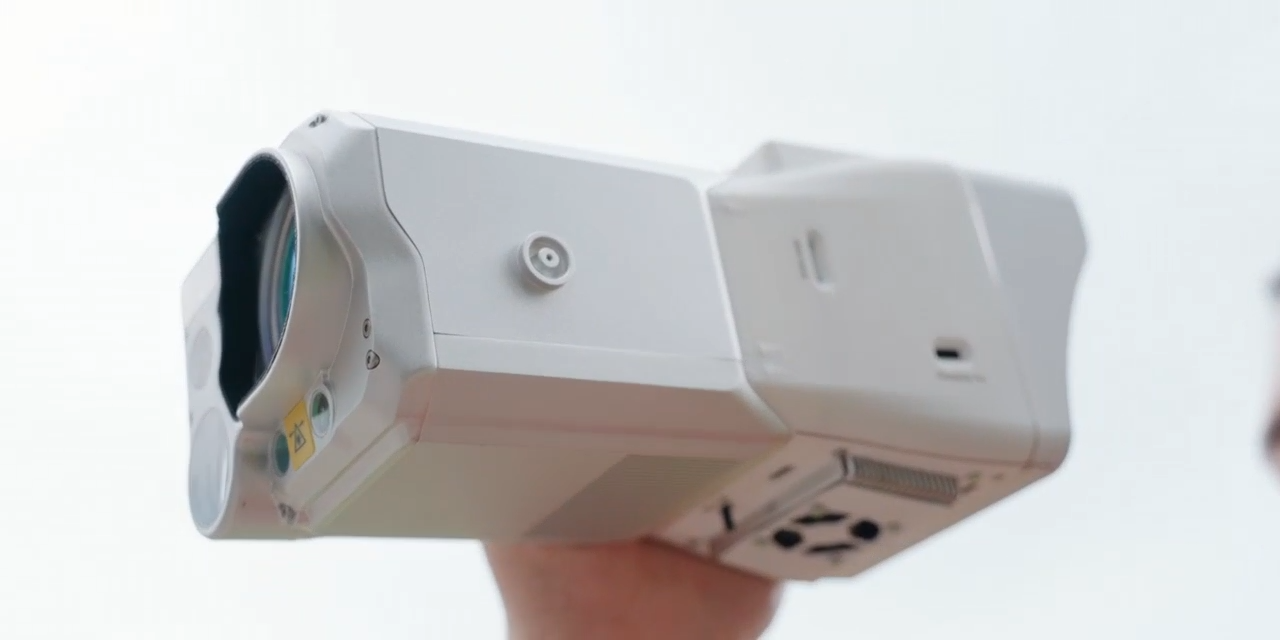
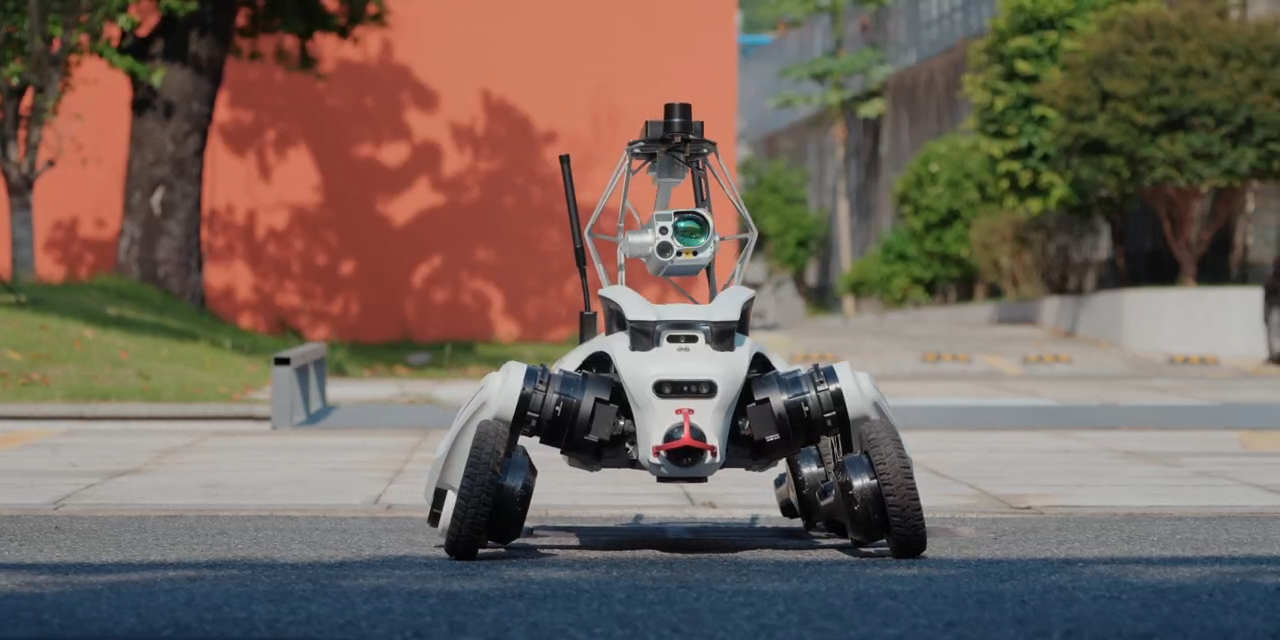
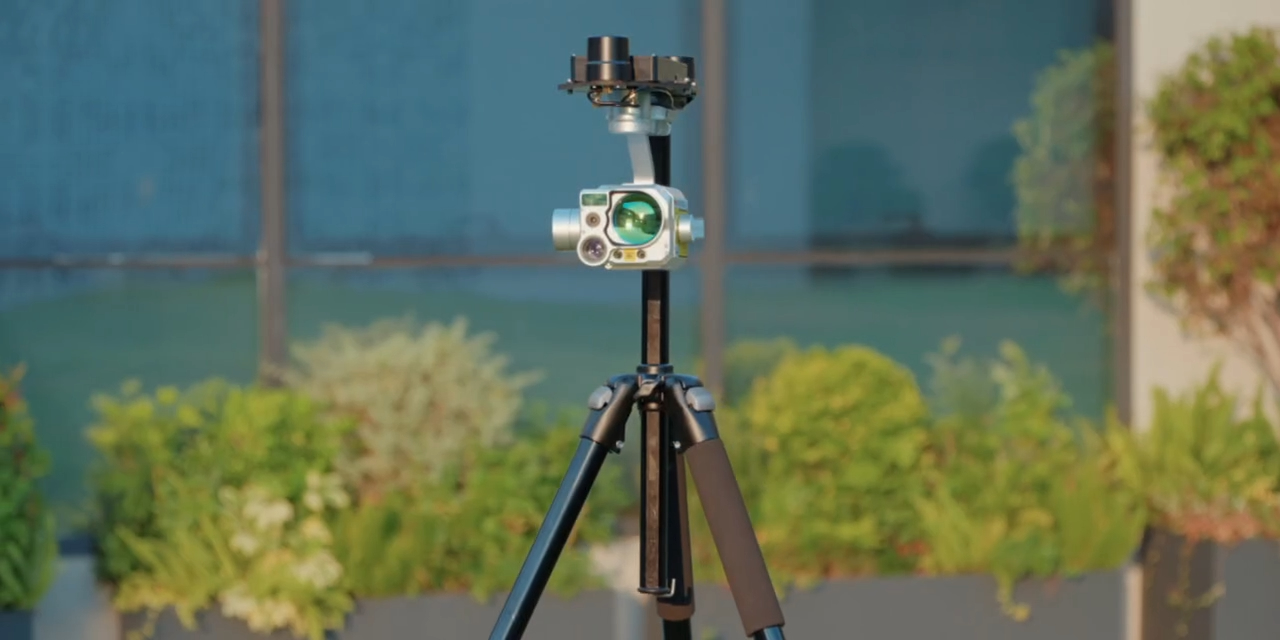
Use the operator-led handheld configuration by default, then extend the same sensing architecture to robotic or stationary platforms when access or geometry calls for it.
One operator-ready system combining stand-off methane screening, onboard visual processing and a touchscreen workflow. Add the optional sniffer when an in-situ concentration measurement is useful.
Inspect suspected sources in hazardous, restricted or otherwise unsafe areas while personnel remain at a safer distance.
Hold a stable view or raise the sensing head around equipment when stationary observation and repeatable geometry are preferred.
What your team receives
Select an output to see how AIRINS moves from a suspected location to a defensible field record.
Package comparison
Start with the access method and required outcome. The commercial column then shows which configurations can be purchased, subscribed to or extended with usage-based quantification.
| Package | Commercial options | Platform / operation | Screen & verify | In-situ sniffer | Quantification output |
|---|---|---|---|---|---|
01MetScan Handheld | One-time purchase | Handheld / operator-led | ● | + | — |
02MetScan V1P Ultra Platform-Agnostic — Quadruped Version | One-time purchaseSubscription | Quadruped robot | ● | — | — |
03MetScan Handheld + 2D SRQ | One-time purchaseAMS includedSRQ usage-based | Handheld / operator-led | ● | + | Source-level rate |
04MetScan V1P Ultra Platform-Agnostic — Quadruped Version + 3D SRQ | One-time purchaseSubscriptionAMS includedSRQ usage-based | Quadruped robot | ● | — | Source-level rate |
05MetScan V1P Ultra Platform-Agnostic — Tripod or Pole Version + 3D SRQ | One-time purchaseSubscriptionAMS includedSRQ usage-based | Tripod / customer-supplied pole | ● | — | Source-level rate |
All MetScan configurations shown here provide measurement performance equivalent to MetScan V1P, including detection at up to 300 m in ideal conditions. A Zone 1 intrinsically safe MetScan Handheld configuration is available for Packages 01 and 03. Quantification suitability depends on source access, measurement geometry, meteorology and operating conditions.
Commercial options
Select an acquisition model first. Quantification and private software deployment are scoped separately when required.
The complete hardware and software configuration includes a standard one-year warranty.
Handheld is purchase-only. Eligible V1P Ultra configurations use a refundable deposit, quarterly fee and additional-distance-or-area charges.
SRQ is usage-based, and SRQ packages include the required AMS configuration.
Separately priced, with first-year support and updates included; annual support renewal applies thereafter.
Evidence & validation
Close-proximity customer cases are still limited, so the evidence levels are stated directly: field validation, technical demonstration and product validation.
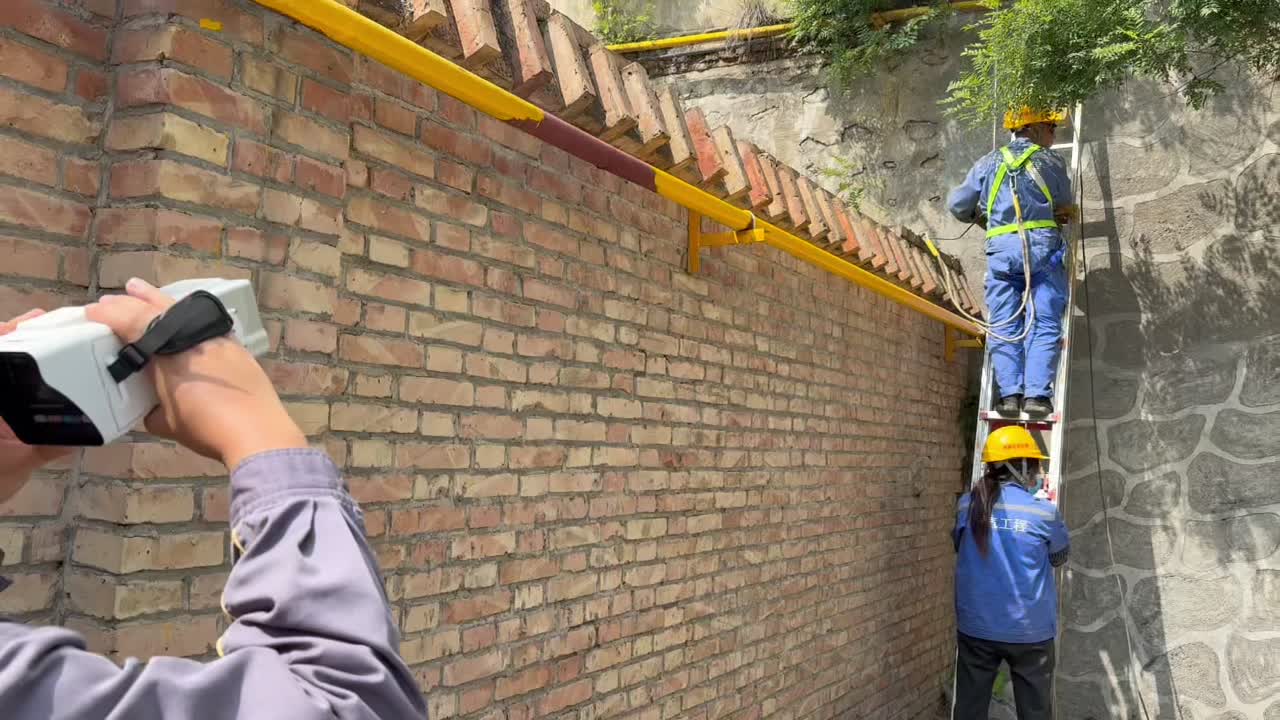
With China Resources Gas (Qinghai)
Screen work areas remotely while retaining visual context.
Read more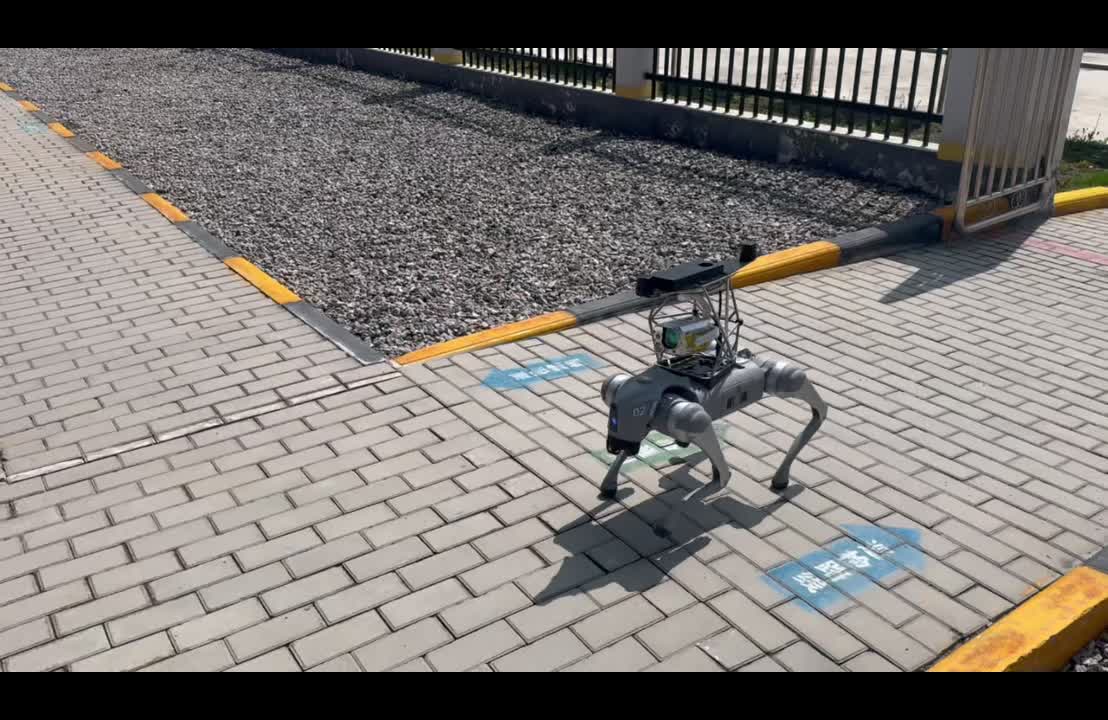
Quadruped Sector Scan at a gas station
Inspect equipment from the ground at a station operating at 0.6 MPa.
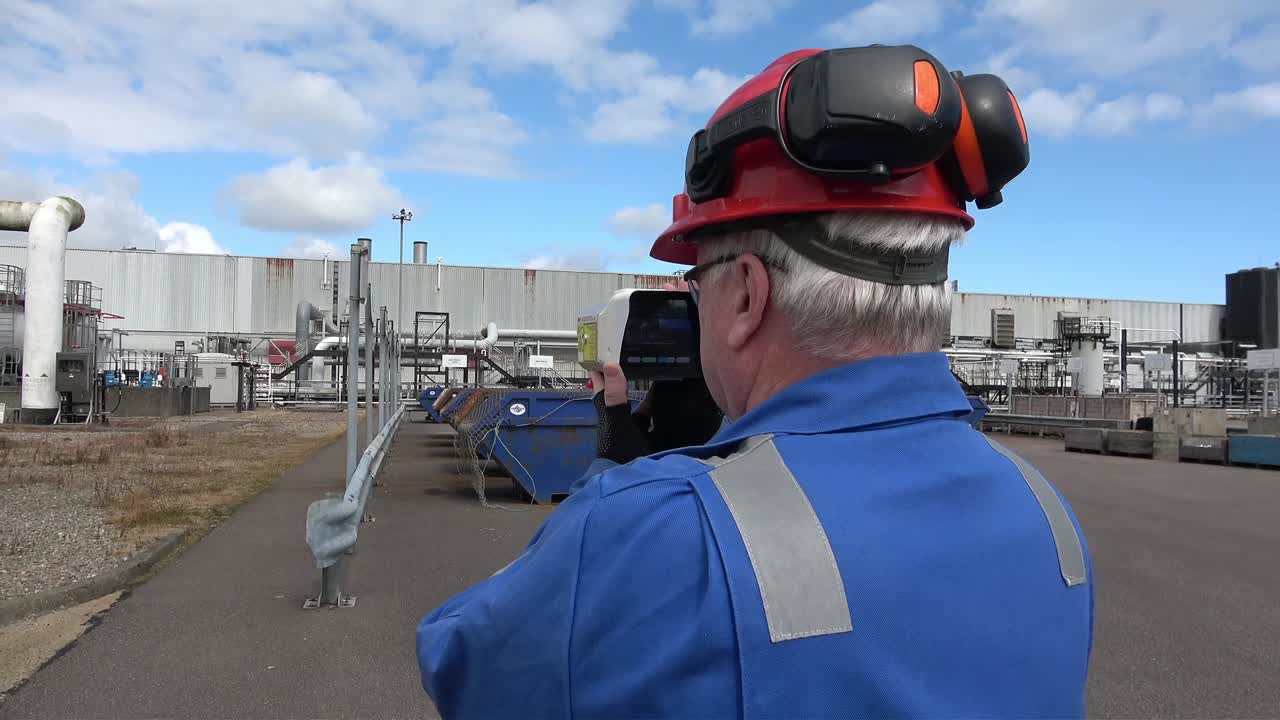
Handheld follow-up at a UK gas-processing site
Investigate suspected equipment after broad-area aerial screening.
Read morePlan the follow-up
The right deployment depends on the suspected equipment, access, safety boundaries, required outcome and applicable inspection method.
Use it when broad screening has narrowed the search area but the exact component, threshold outcome or source-level rate still needs closer investigation.
It is designed to combine closer remote measurements, visual context and optional sniffing to support component-level verification. The achievable certainty still depends on access, geometry, source separation and operating conditions.
No. Its core methane measurement performance is equivalent to MetScan V1P, including detection distances up to 300 m under ideal conditions.
Select an SRQ-enabled package. Quantification is provided when the release scenario, wind information, measurement geometry and collected data are suitable for the method.
MetScan measures path-integrated methane remotely between the instrument and a reflective target. The optional sniffer measures the local methane concentration of air drawn near the instrument.
AIRINS can provide measurement records, imagery, source information and structured reports for the operator’s workflow. The governing LDAR method and regulatory acceptance remain specific to the jurisdiction and programme.
Scope a close-proximity project
Share the suspected equipment, earlier screening evidence and required outcome. AIRINS can recommend the deployment and SRQ configuration.