
Detection and quantification blind tests at METEC
Initial observations from METEC CSU were encouraging; final detection-probability analysis remained pending.
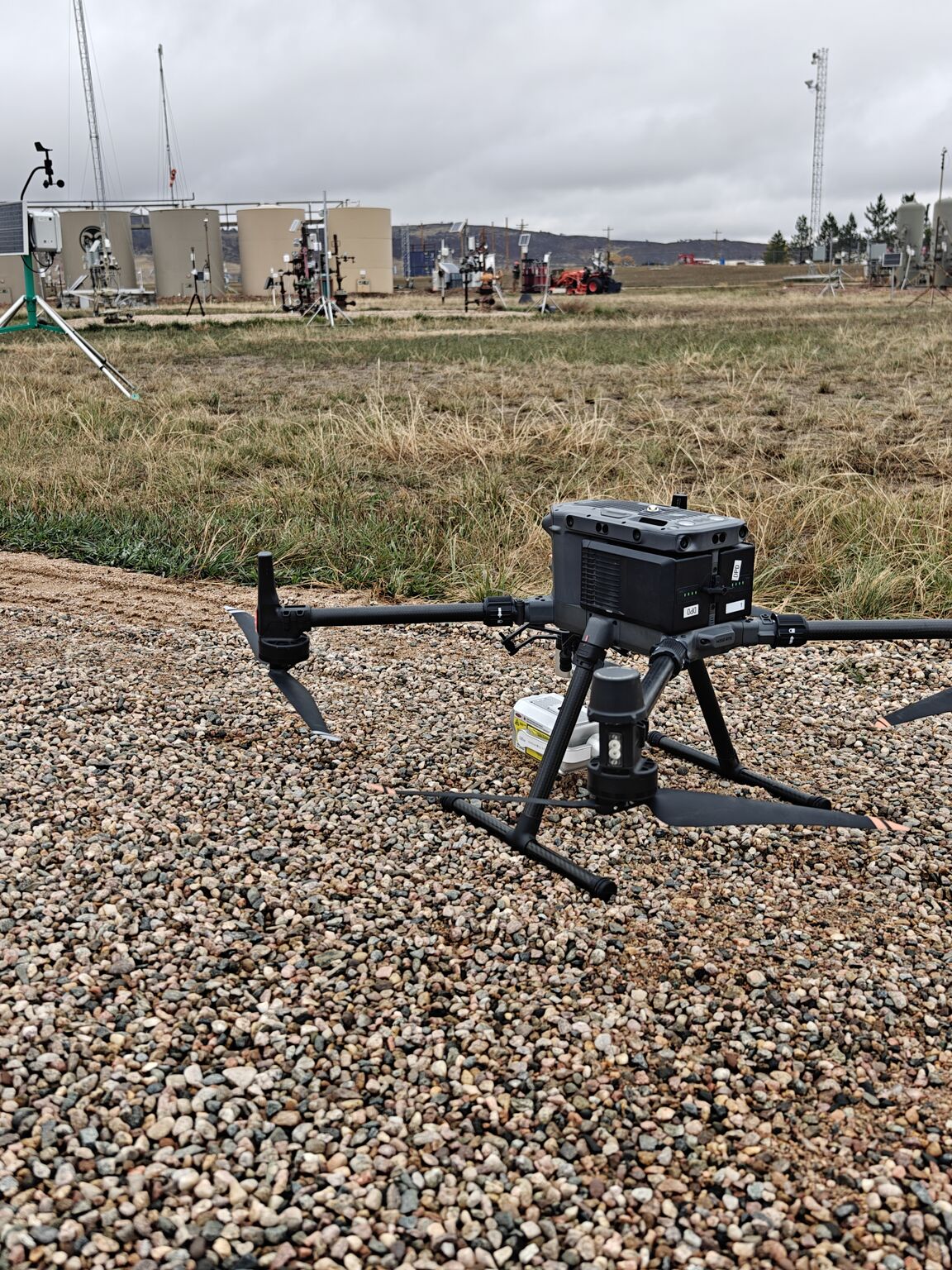
The challenge
Evaluate detection and emission estimates against blinded, controlled releases.
What AIRINS deployed
V1P underwent detection trials; SRQ was evaluated with several simultaneous sources.
What happened
At 30 m, releases of 100 g/h and below were detected in clear, moderate wind; at 100 m, 1 kg/h and below. These are preliminary observations.
Why it mattered
Final PoD and quantification reporting will determine the fuller performance picture.
We recently completed the MetScan Family field evaluation at METEC CSU in Colorado State University, focusing on methane detection and quantification. In the Probability of Detection (PoD) blind test, MetScan was tested under real field conditions. Preliminary results are very encouraging: 🔹 At 30 m standoff distance, under clear and moderate-wind conditions, MetScan V1P reliably detected controlled releases at 100 g/h and below. 🔹 At 100 m standoff distance, MetScan V1P consistently detected releases at 1 kg/h and below. The final PoD analysis will provide a more complete picture of detection performance at both distances. We also completed a quantification blind test with multiple simultaneous controlled releases to evaluate our Source-Resolved Quantification (SRQ) for both source-level and site-level quantification. A big thank you to our partner Drones Plus Robotics. Garrett Garland and Donald Garland’s skilled drone operations made a real difference. Many thanks as well to Ezra Levin at Colorado State University for the coordination, support, and valuable insights. Our initial review gives us strong confidence in the results. We look forward to the final report. Stay tuned! #AIRINS #MetScan #MethaneDetection #MethaneQuantification #PoD #SRQ #METEC #MethaneEmissions #OilAndGas
Interested?
Discuss your application
Tell us about your application, operating conditions and the results you need.