
To make methane-related risks and opportunities visible, measurable, and actionable.
About AIRINS
Built to make methane visible and useful.
Conceived in Auckland, New Zealand. Headquartered in Singapore. Engineered across Shenzhen and Singapore. Built for methane operations worldwide.
Sensing hardware, software and analysis for methane emissions, environmental monitoring and hazardous gas applications.
To become a global infrastructure for methane intelligence.
A complete technology stack
One engineering system, from sensing to decisions.
Field sensing systems
Optical sensing, electronics, mechanical design and product architecture developed around field applications.
Deployment integration
Integrated and platform-agnostic configurations for aerial, handheld, ground vehicle, quadruped, tripod and pole deployments.
Embedded & cloud software
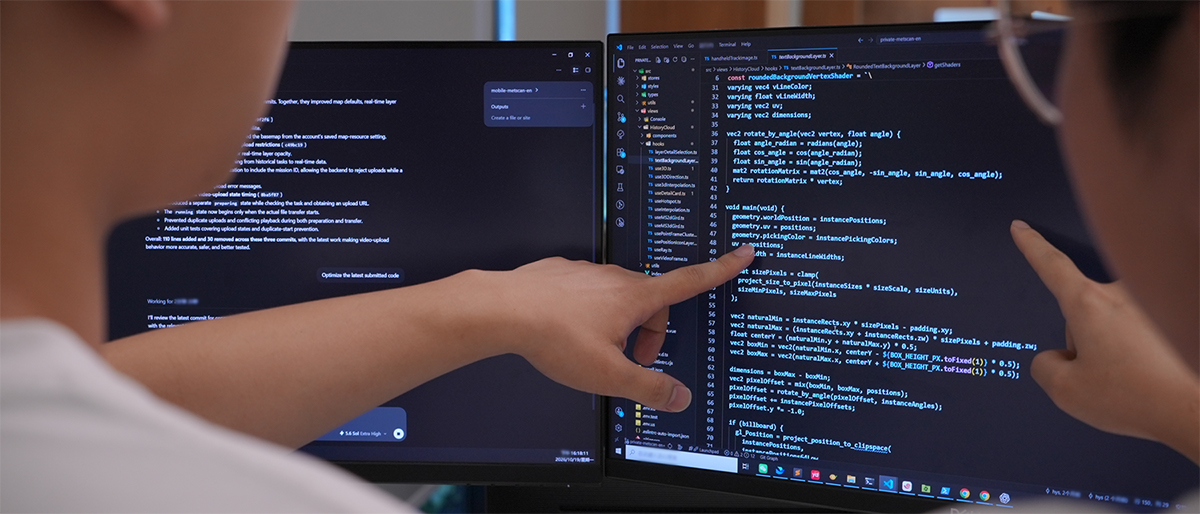
Connected device operation, mission control, georeferenced measurements, visual context and review workflows across AIRINS products and AIRINS.ai.
Localisation & mapping
Spatial measurement workflows for pinpointing likely methane sources and mapping gas distributions.
Quantification & assessment
MetScan with SRQ estimates source-level and site-level methane emission rates; Sniffer4D supports flare-efficiency and marine methane-slip assessments.
Field validation
Controlled releases and real deployments connect engineering decisions to observed field performance.
Built to execute
Engineering and manufacturing, concentrated for stronger products.
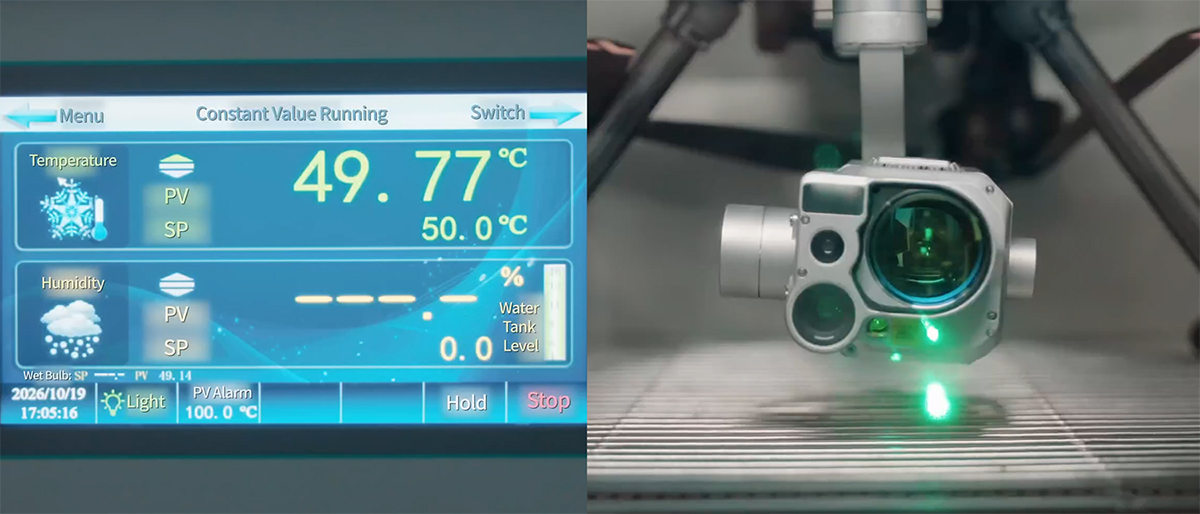
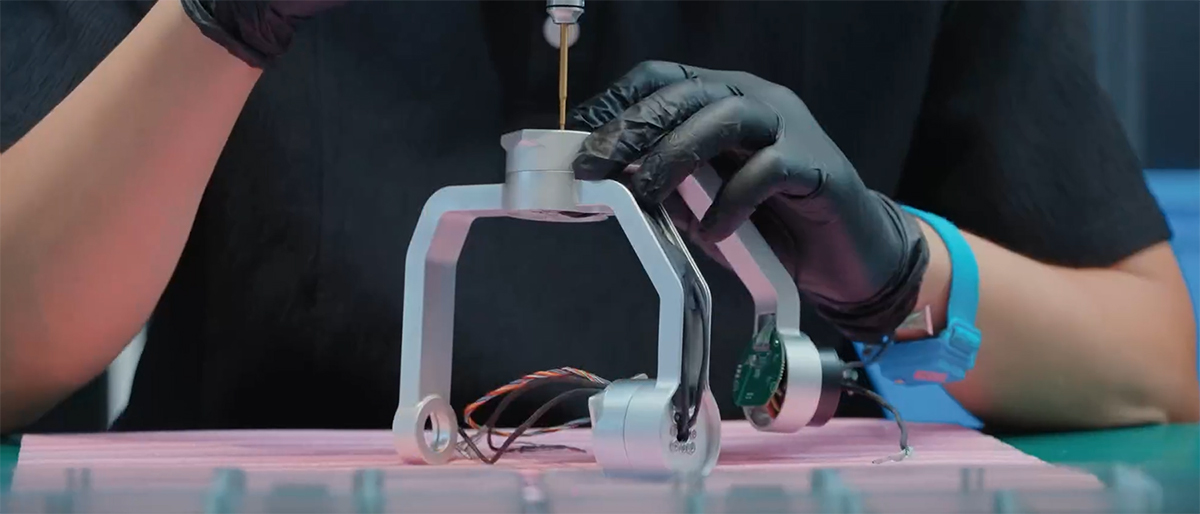
Shenzhen is AIRINS’s core product-creation base, combining deep product R&D talent with rapid prototyping, manufacturing and supply-chain capability. Singapore adds headquarters, a second manufacturing base and international delivery. Together, they support better products, faster iteration and dependable global service.
Shenzhen · Core product R&D and manufacturing
Where ambitious product concepts become field-ready systems.
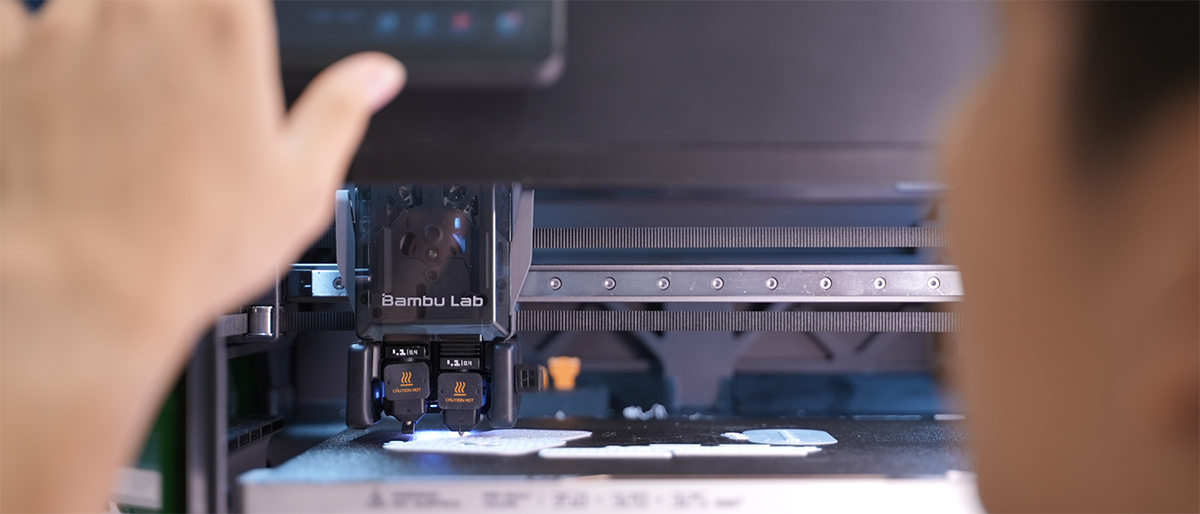
Shenzhen’s concentration of product-development talent, specialist engineering, rapid prototyping, precision manufacturing and supply-chain capability lets AIRINS turn ambitious ideas into high-performance field systems—and move quickly from concept to controlled testing and production.
Customer benefitBetter-performing products, faster innovation and a more practical total cost.
Singapore · Headquarters and manufacturing
Made in Singapore. Supported internationally.
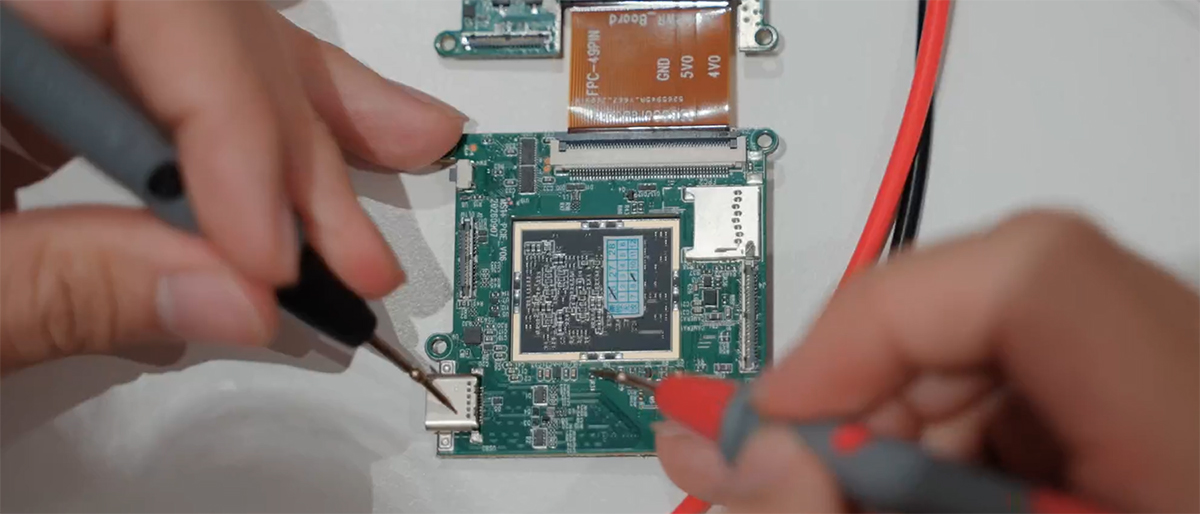
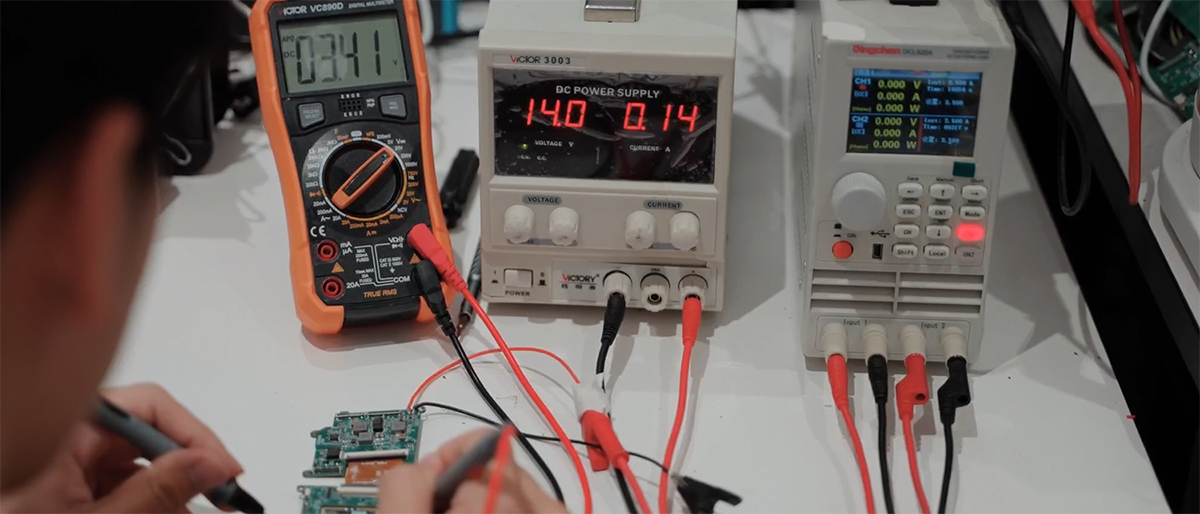
Singapore is AIRINS’s headquarters and second manufacturing base. Products made there are assembled, firmware-loaded, serialised, calibrated and tested under AIRINS processes, while the team leads international contracting, delivery and warranty support.
Customer benefitFlexible manufacturing, rigorous final release and dependable international support.
One connected development loop
Design, integrate, test and improve.
- 01Design around the application
Start with the field problem, access conditions and required output.
- 02Integrate the complete stack
Connect sensing, positioning, imagery, meteorology, software and quantification.
- 03Test with known releases
Use controlled methane releases to assess performance and operating limits.
- 04Improve through fieldwork
Feed real deployment findings back into hardware and software development.
Company journey
From an Auckland idea to methane intelligence.
While studying Mechatronics Engineering at the University of Auckland, Steven Jiang researched drone-mounted actuators, sensors and onboard algorithms for industrial tasks. Seeing how sharply particulate conditions could vary over a short distance inspired the original idea: use drones to reveal hyperlocal air pollution.
Ten milestones—from the first idea to today
- Conceived in Auckland
University research projects and a hyperlocal air-pollution observation inspired the original idea.
- Established in Shenzhen
Established as Soarability, the company began developing drone-based environmental sensing systems in Shenzhen.
- First system, first customer
AirSense-100 flew on a DJI Matrice 100 and was soon purchased by an environmental service provider.
- Sniffer4D commercially launched
AirSense-100 evolved into Sniffer4D and entered commercial rollout.
- Fourfold growth and breakeven
Annual sales grew more than fourfold and AIRINS reached its first breakeven year.
- A deliberate move into methane
AIRINS began applying its sensing, software and field-deployment experience to methane.
- Headquartered in Singapore
AIRINS moved its headquarters to Singapore and established its second manufacturing base.
- An integrated methane stack
AIRINS introduced MetScan and AIRINS.ai (formerly SSI).
- Rebranded as AIRINS
Soarability became AIRINS, reflecting the company’s focus on methane intelligence.
- Introduced Source-Resolved Quantification
AIRINS introduced 2D and 3D SRQ.
“Our ambition is to make methane monitoring and quantification practical, accessible and commercially viable for more industries—simple enough for everyday operations and useful enough to support real decisions.”
Steven Jiang · Founder and CEO
Follow AIRINS for field deployments, product developments and technical demonstrations.
Partner with AIRINS
Bring field access, domain knowledge or a deployment platform.
AIRINS works with organisations that can help apply, validate, integrate or scale methane intelligence and gas sensing in real operating environments.
Application partners
Operators, methane service providers and research organisations working on defined gas challenges. Qualified service partners can deliver AIRINS measurement, quantification, analysis and reporting through their own teams—keeping the customer relationship and more of the project value.
Integration partners
Aircraft, robotics, sensing and data-platform teams integrating with AIRINS to build a complete field workflow.
Commercial partners
Partners with local market knowledge, customer access and the capability to support deployment.
Start with the problem.